Buyer's Guide: House Monitoring and External Cameras FAQ
Looking for the best cameras to protect your property? Read our complete guide. We answer the most common questions about wireless monitoring, backyard cameras, video recorders and stand-alone installation.
QUESTION 1
1. What kind of security camera would be best in the backyard? +
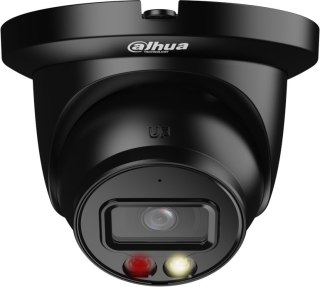
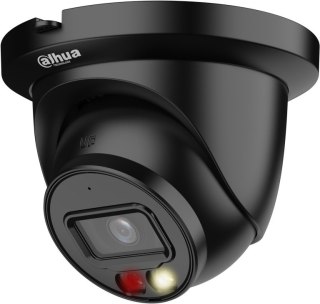
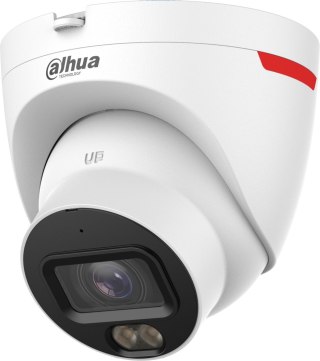
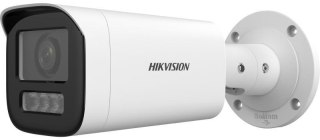
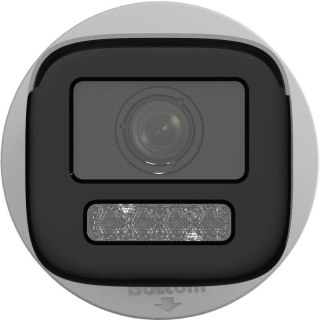
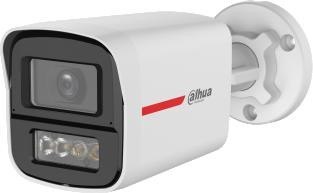
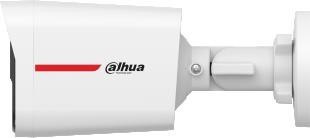
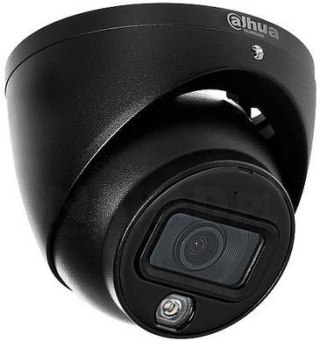
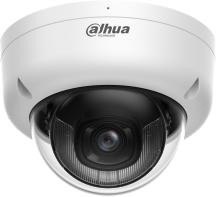
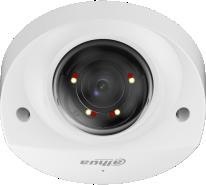
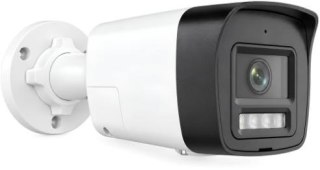
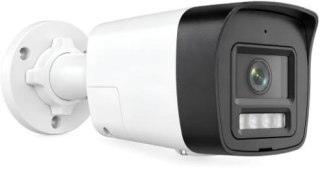
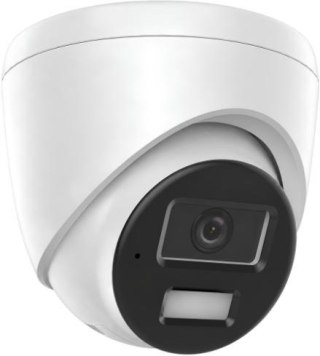
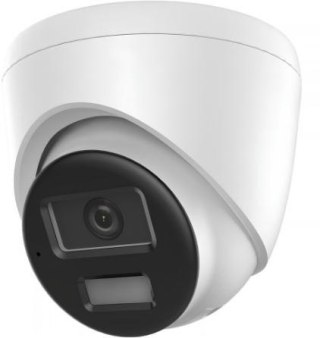
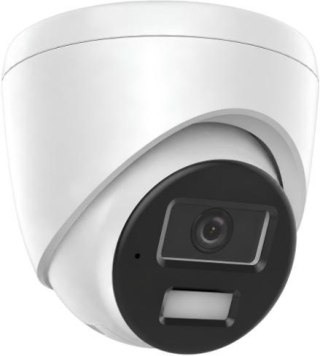
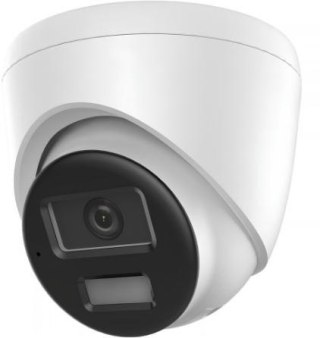
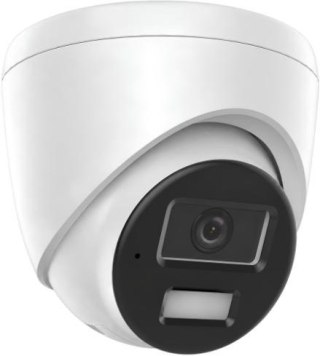
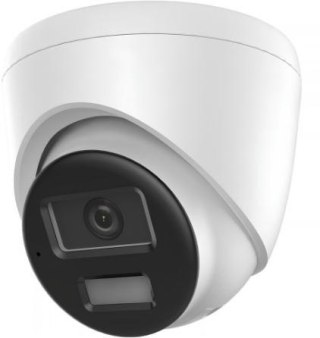
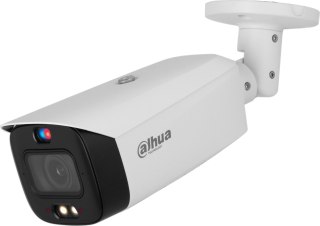
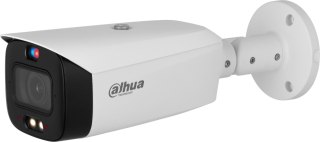
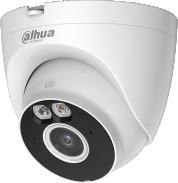
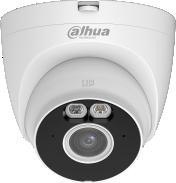
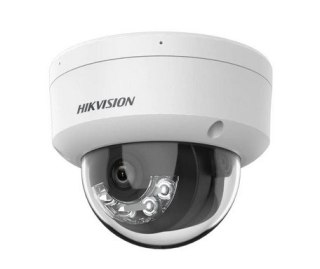
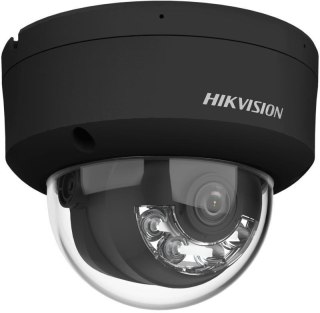
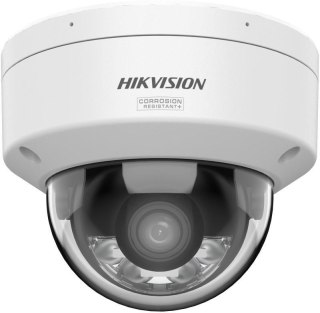
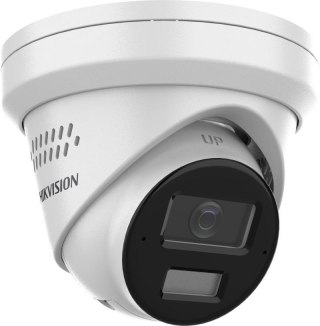
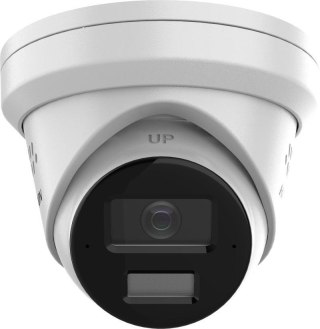
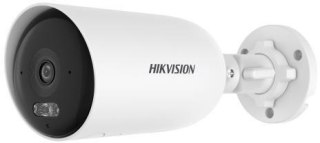
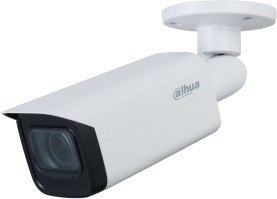
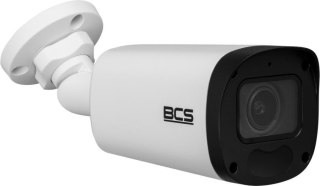
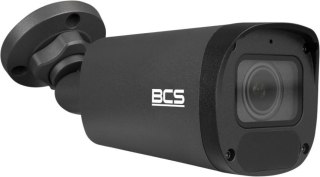
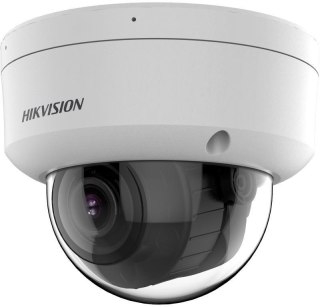
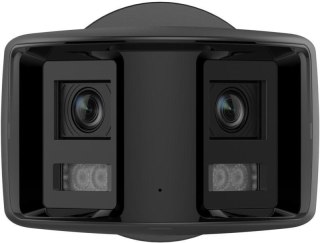
Best External camera for house monitoring is one that combines high resolution of the image with resistance to atmospheric conditions. For a typical user the perfect choice is external tube or dome IP camera with a minimum resolution of 4MP (2K). It is important to have a wide angle of view (about 100 degrees), a solid metal casing with IP67 class of leak, and a modern motion detection function that distinguishes people from running animals, allowing you to avoid false alarms on your phone.
QUESTION 2
2. What's better: a set for cable surveillance or wireless Wi-Fi cameras? +
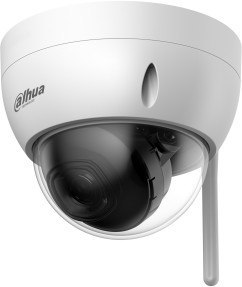
If you are building a house or renovating, choose a professional cable IP PoE monitoring kit. Cables provide 100% stability, no interference and no delays in image transfer. In turn Wi-Fi wireless cameras It's a great alternative to finished buildings where wiring can no longer be laid. However, remember that the wireless home camera still needs a power supply of 12V or 230V from the nearest socket, and signal stability depends on the quality of your home router.
QUESTION 3
3. What does PoE stand for in cameras and why choose IP monitoring PoE? +
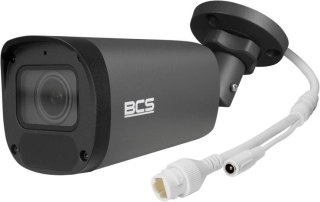
The PoE shortcut (Power over Ethernet) means power supply via network cable. In systems IP PoE monitoring the video transmission from the camera to the recorder and the supply of electricity to the device is carried out by means of one standard internet cable (so-called computer sprocket). Thanks to PoE technology, the installation of external cameras becomes extremely easy, because with each camera under the roof you do not need to mount a separate electrical socket or power supply can.
QUESTION 4
4. What resolution of the surveillance camera guarantees a clean and clear image? +
Forget about old analog cameras offering poor quality Full HD (2MP) on which you can't see details. The current standard for home safety are External cameras 4MP (Super HD) and 8MP cameras (real 4K). The higher resolution of the lens allows you to perform a large digital close-up (zoom) on the recorded video material, making it easier to recognize the features of the intruder's face, read car registration numbers, or identify stolen items.
QUESTION 5
5. Does the outside camera see at night in color? What is Full-Color and ColorVu? +
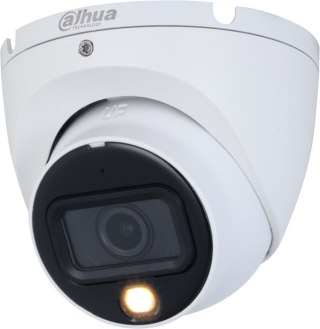
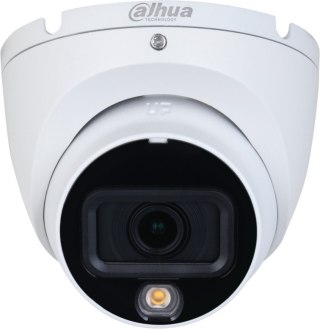
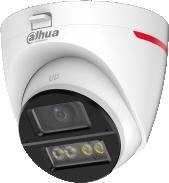
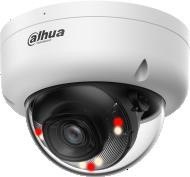
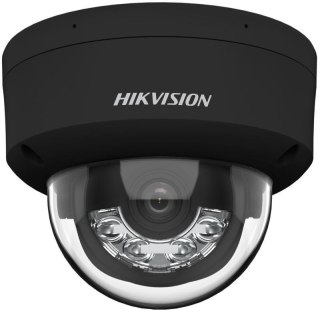
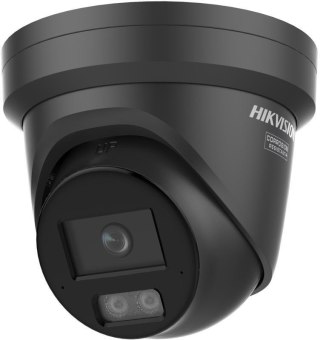
Yes, modern. Full-Color night cameras (Dahua) or ColorVu (Hikvision) they can record a bright, fully coloured image even in total darkness. Unlike traditional IR infrared LED cameras (which give a black and white image), these cameras have supersensitive pickups and built-in, delicate LEDs emitting warm visible light. That way, in the middle of the night, you can easily recognize the color of the attacker's jacket or the color of the bodywork of the suspect car.
QUESTION 6
6. What camera will work for a recreational plot or construction without Internet and power? +
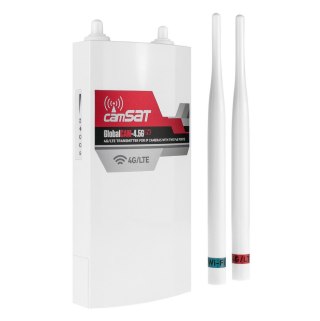
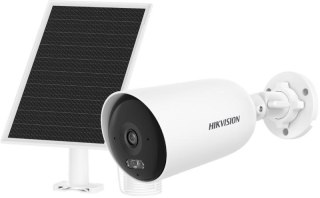
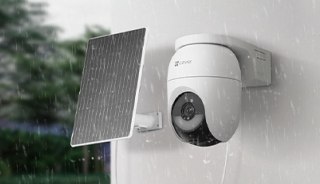
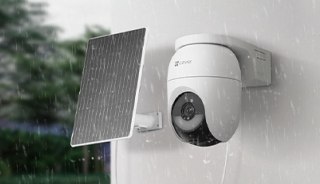
The ideal solution in such places is External SIM Camera (GSM LTE). This device does not need an Internet cable or a home Wi-Fi network – it works exactly like a smartphone, connecting to a mobile network. If there is no electricity on the plot, choose solar camera with solar panel and a built-in battery. Such an autonomous surveillance kit loads during the day and guards your property around the clock, sending alarms on the phone.
QUESTION 7
7. Can I look at the camera on the cell phone outside the house? +
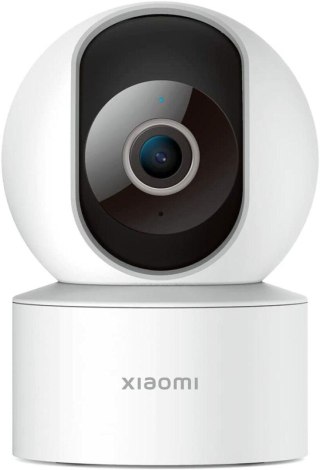
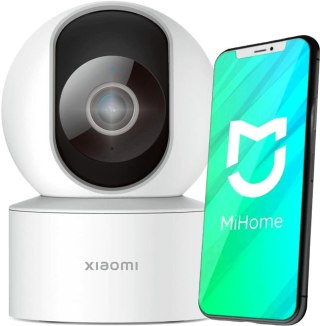
Of course! All modern home monitoring systems work with free mobile apps for Android and iOS (iPhone) smartphones. The configuration is done free of charge and extremely simply by scanning the QR code from the device housing (P2P technology in the cloud). Thanks to this, while on vacation, at work or abroad, you have a constant live camera preview, you can view archive videos from the disk and receive instant traffic notifications.
QUESTION 8
8. What is an external PTZ rotating camera and when is it worth buying? +
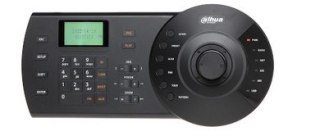
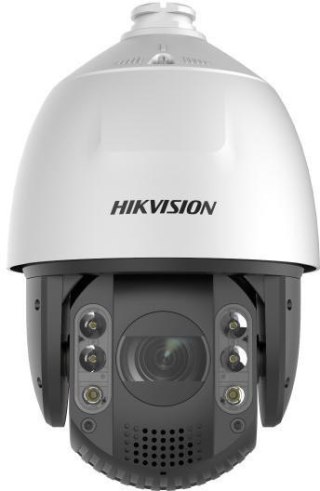
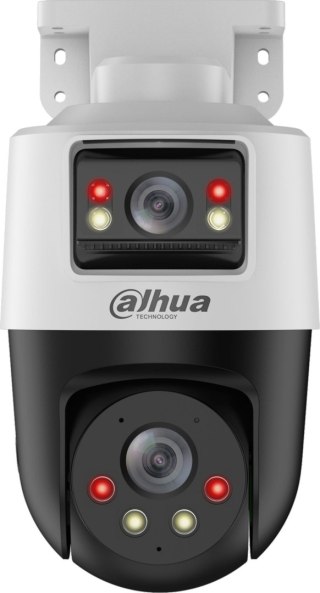
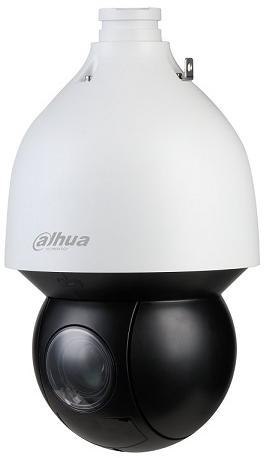
External Rotating Camera (PTZ) is an advanced device that you can remotely control from the application level on your phone – rotate the lens horizontally (up to 360 degrees), vertically and zoom in (optical zoom). The best models have a function autotracking (intelligent target tracking). When the rotating camera detects a man in the yard, it will automatically follow him and rotate so that the intruder does not disappear from the video for a second.
QUESTION 9
9. Where do the security footage go? Memory card or network recorder? +
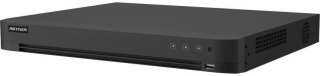
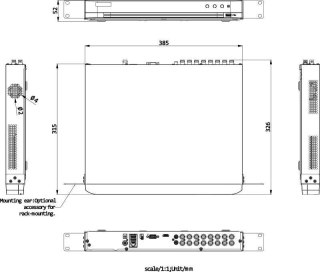
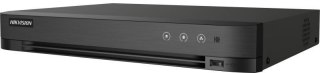
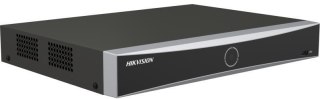
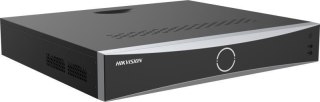
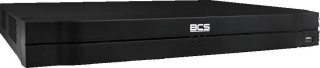
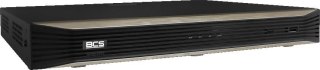
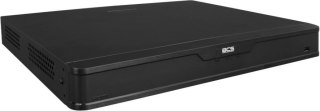
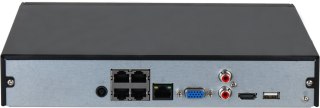
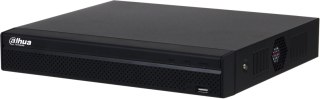
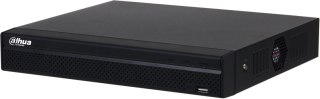
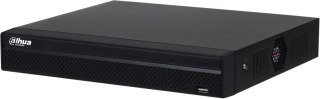
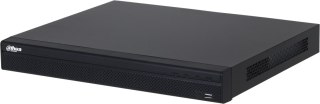
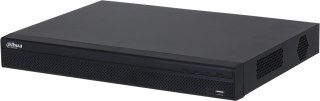
Everything depends on the size of the system. If you mount one or two cameras, the recordings can be recorded directly in the device on MicroSD memory card put in a slot under a flap. With larger systems (consisting of 3, 4 or more cameras) it is necessary NVR fixed network recorder. Inside the recorder, a special hard drive is mounted, which allows you to safely collect continuous video recording from all camera points for weeks.
QUESTION 10
10. Which hard drive to the camera recorder to choose? Does a simple disk from the computer fit? +
You must not categorically use ordinary disks from old PCs or laptops! The surveillance recorder works continuously, 24/7, continuously recording HD video streams. For this type of task, specialised 24/7 surveillance hard drives, such as legendary series WD Purple (Western Digital) and Seagate SkyHawk. They are pre-made for continuous loads, do not overheat and ensure that the recording does not damage at a crucial moment.
QUESTION 11
11. What is an AI image analyst and artificial intelligence in security cameras? +
Old monitoring systems reacted to the so-called motion detection based on the change of pixels – it was enough that rain fell more, the dog ran on the grass or the sun set, and the owner received dozens of false notifications. Modern monitoring with AI artificial intelligence (e.g. Hikvision AcuSense or Dahua Wise) analyze the image for objects. The intelligent algorithm accurately recognizes whether a man or a vehicle has appeared in the frame. This allows you to set notifications on the phone only about the real intrusion of the intruder into a private property.
QUESTION 12
12. What cables are needed for cable installation of IP cameras? +
A standard internet cable is used to connect IP network cameras to the recorder, i.e. so-called. Category 5E or 6 UTP computer joint. Please note that for installation outside the building (on facade, under foot or in the ground) absolutely use external gelled cable (black with PE coating). It is 100% resistant to moisture, frost and destructive UV radiation. A simple white house cable exposed to the sun is crumbling and cracks after one winter, destroying the entire protection system.
QUESTION 13
13. Does the camera with the microphone record sound, too? Is it worth buying an audio camera? +
Yes, most modern IP cameras have a built-in sensitive microphone that allows recording of ambient sound synchronized with video image. It is worth choosing devices with the addition of "Audio" because the sound is an extremely important proof for the police – it allows you to hear the content of the conversation of intruders, sounds of broken glass or bang of impact during a car crash under the house. Some models also have a speaker, allowing a two-way conversation on the phone with a person standing in front of the camera.
QUESTION 14
14. What is the function of active deterrence in cameras and how does it protect against a thief? +
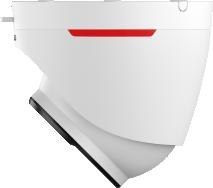
Classic monitoring only records events after the fact. In turn cameras with active deterrence (e.g. Dahua TiOC or Hikvision LiveGuard) They're tasked with preventing burglary. When the integrated artificial intelligence algorithm detects an intruder on your property during night hours, the camera automatically activates the loud alarm siren and starts pulsing with a strong warning stroboscope light (red-blue or white). The thief immediately knows that he has been tracked down and fled before he can destroy anything.
QUESTION 15
15. How to protect cables and plugs from flooding during camera installation? +
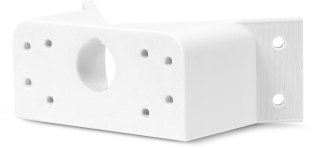
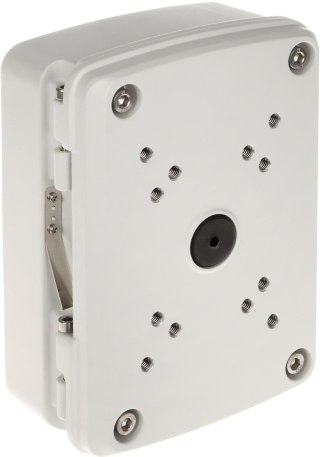
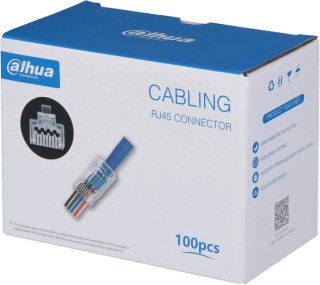
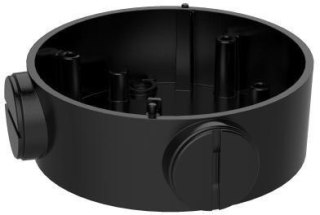
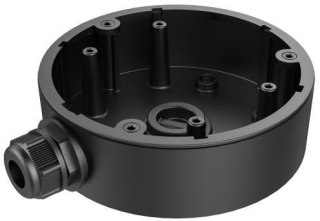
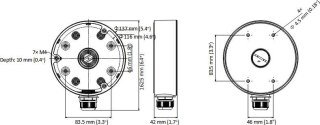
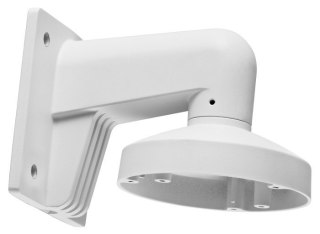
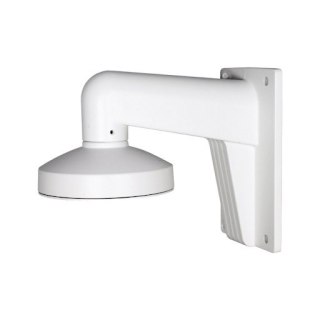
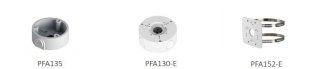
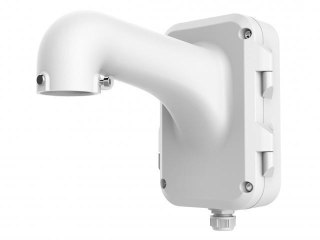
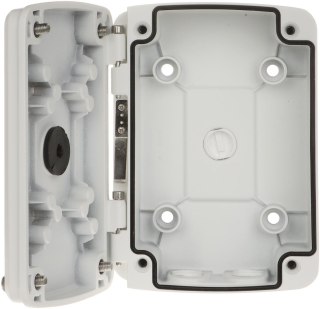
This is the most common amateur mistake! RJ45 plug-in powering the PoE camera exposed to direct rain or moisture will quickly rust (sleeve), which will cause the port to burn or disconnect the image. To prevent this, each camera should be purchased with a dedicated Hermetic mounting can (wall adapter). Inside this sealed, metal or plastic can, the entire cable connection is hidden and the camera itself is bolted directly to its forehead. This looks aesthetic and 100% protects electronics from water.
QUESTION 16
16. How much internet does home surveillance use and will it slow down my home network? +
Most people are concerned that the cameras will block the entire home Internet band. Relax – in standard wired system cameras transmit the image locally to the recorder (inside your home LAN network, using cables), which does not use your web package from the operator at all. The Internet is downloaded and used only when you run the app on your phone, being out of the house to view the live image. Thanks to modern data compression H.265+ the stream is heavily compressed and does not charge the link.
QUESTION 17
17. What is H.265+ compression and why is it so important in CCTV systems? +
H.265+ compression is the state-of-the-art standard for encoding and weight reduction of video files in Industrial television (CCTV). High resolution cameras (e.g. 4K) generate powerful amounts of data. The inclusion of an intelligent H.265+ codec in the recorder allows you to reduce the volume of stored files on the disk by up to 80% compared to the old H.264 standard, without any loss of image quality! This way the same hard drive will hold surveillance footage from all month instead of a few days.
QUESTION 18
18. What external surveillance camera will work during winter frosts? +
Buying equipment in our store, you don't have to worry about Polish winters. We only offer professional outdoor cameras renowned brands (Dahua, Hikvision), which are designed to work in extreme climate conditions. They have full thermal resistance over a wide temperature range **from -30°C to +60°C**. Electronics locked in sealed metal enclosures do not freeze, lenses do not vaporize from the inside, and the equipment is firmly guarding the property during both the greatest frost and summer heat.
QUESTION 19
19. Is the installation of home surveillance difficult and can I handle it alone? +
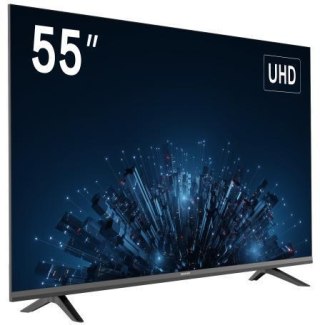
Thanks to plug-and-play technology in IP PoE systems, independent installation of external cameras It's within range of anyone who can handle the drill. Physically bolting of the façade and the cables is the most difficult part of the work. When connecting the cables to the recorder, the system automatically detects and launches the preview from the cameras on the monitor or TV screen. Moreover, by buying in our store, you gain free technical support for professional installers – in case of configuration problems we will help you remotely!
QUESTION 20
20. Where's the best place to install the exterior cameras around the house so there's no dead zones? +
To optimally deploy security cameras around the house, mount them in the corners of the building about 3-4 meters high. Such location prevents the intruder from easily reaching and blocking the lens while providing a wide field of view along the two facade walls. The key points that absolutely must include home monitoring are: entrance gate to the property, entrance gate, front door, entrance to the garage and – which many forget – terrace windows at the back of the house, which are the most common target of burglars.